

Arena Zagreb
Powered by
First in Croatia,
Largest in the Region
Organized by

Arena Zagreb
Powered by
First in Croatia,
Largest in the Region
Organized by
Entrance is free for visitors with registration.
LAST YEAR EXHIBITORS
Solar Energy
Energy Storage
Nuclear Energy
Power System Flexibility
ESG
E-mobility in Public Sector
GEF 2026 begins in:
On 28.10, the fair is open from 8:30 to 20:00, with the conference program ending at 18:00.
On 29.10, the fair runs from 8:30 to 16:00, with the conference program ending at 14:00.
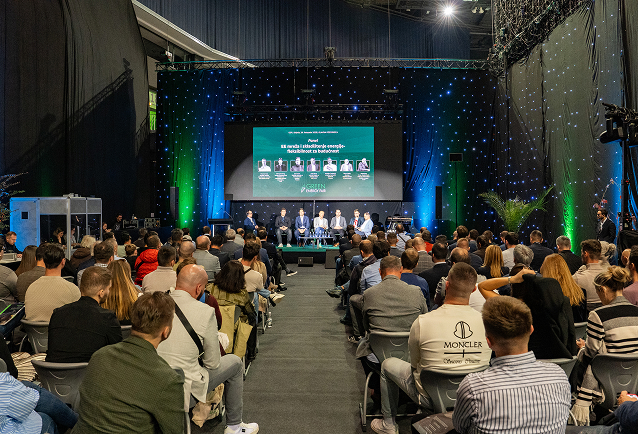
Following an outstanding Green Energy Fair 2025, which welcomed over 5,000 visitors, featured 100+ exhibitors, 50+ speakers, and was supported by 30+ partners and sponsors, we are proud to announce Green Energy Fair 2026.
Established as the first and largest green energy fair in Croatia and the wider region, GEF delivered extensive national and regional media visibility and became a key meeting point for the renewable energy ecosystem, renewable energy sources, battery storage, e-mobility, sustainable finance, ESG, and long-term regional energy transition strategies, setting the stage for an even more ambitious Green Energy Fair 2026.
More than 120 exhibitors
Prominent speakers
Interactive panel discussion
Educative presentations
Workshops
Free entrance - registration required
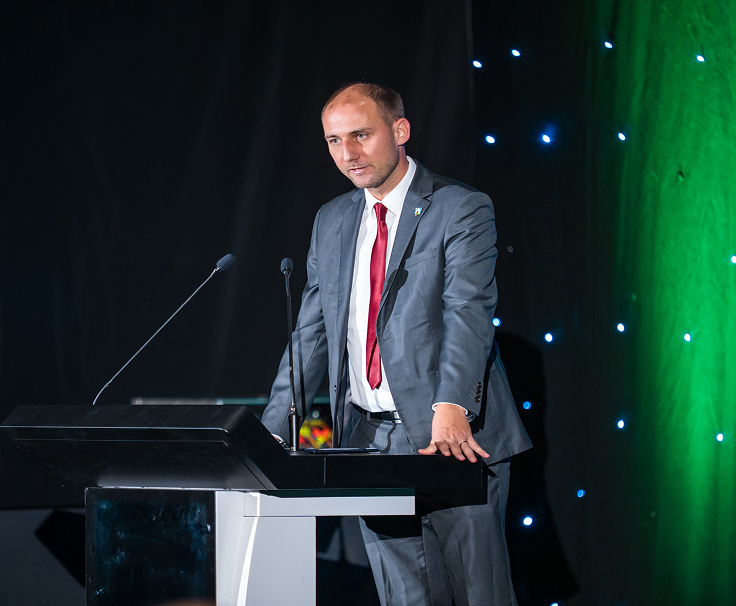
Matej Mišić
The President of the Zagreb City Assembly said that this fair is an event that defines Zagreb as a European center of sustainabilit
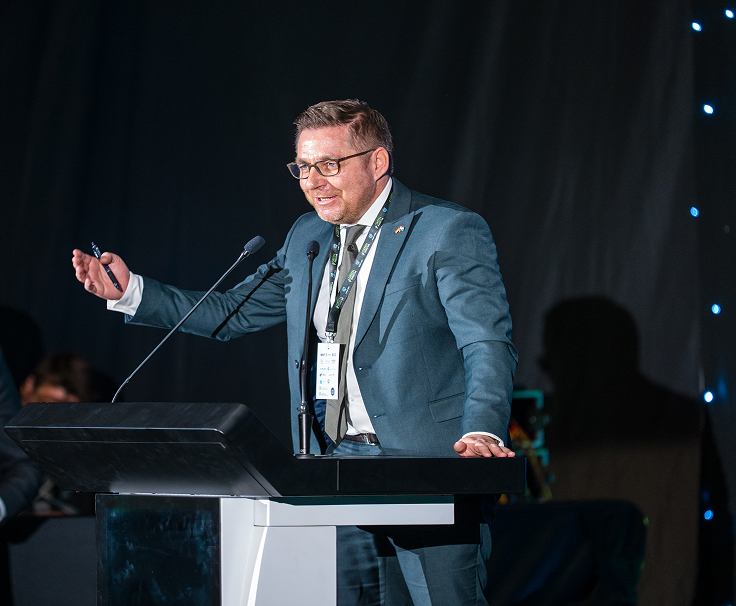
Timo Player
The Director of the German-Croatian Chamber of Industry and Commerce emphasized that it is an honor and a source of pride for them to be part of this project. “I am happy to see so many companies that share the same vision,” said Pleyer.
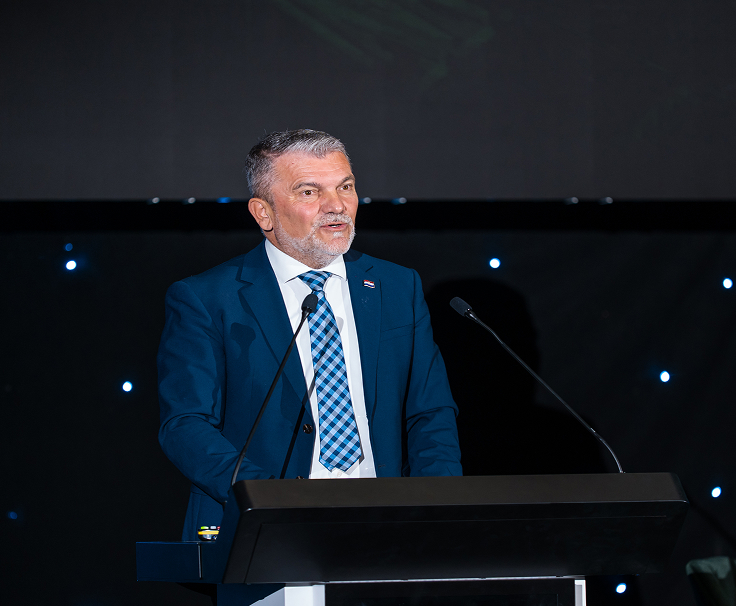
Petar Šimić
This fair is a driver of change in the way we consume and think about renewable energy sources. “The future belongs to those who believe in green energy,” said the envoy of the President of the Croatian Parliament.
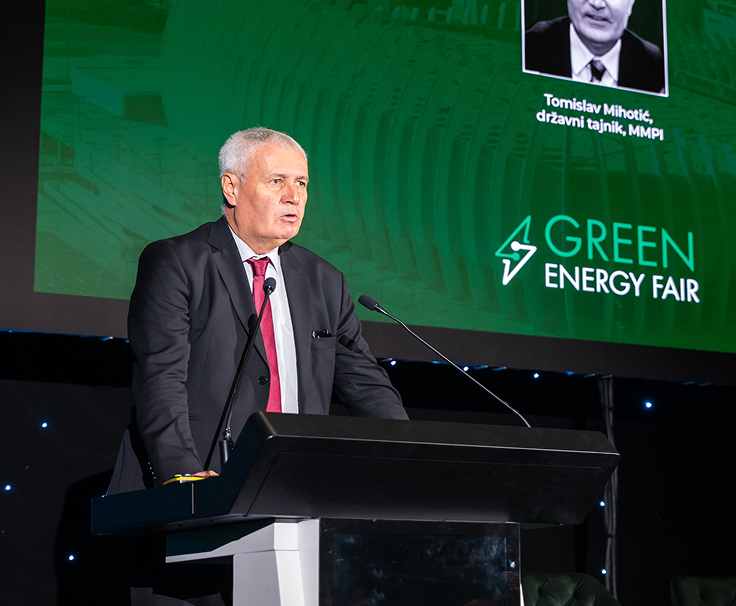
Tomislav Mihotić
The State Secretary at the Ministry of the Sea, Transport and Infrastructure said that his ministry supports this green, innovative fair, which brings together domestic and international leaders in the field of green energy. “One hundred exhibitors from twenty countries—that is impressive.”
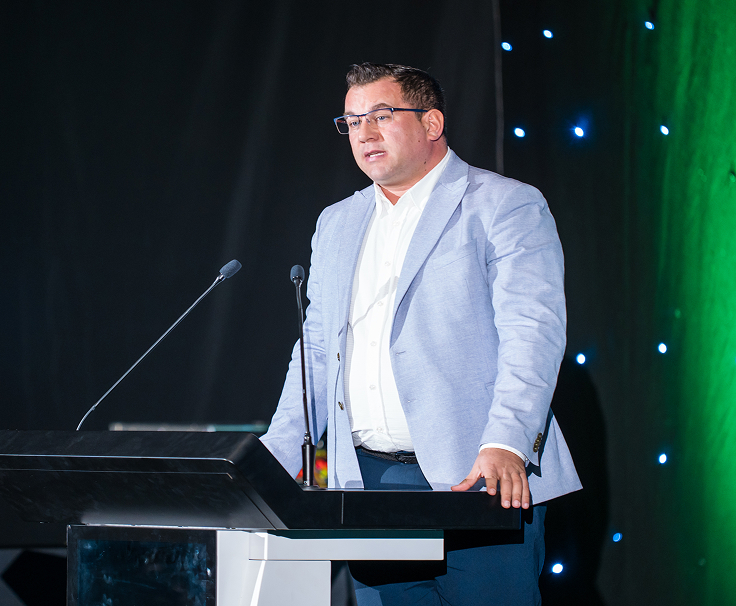
Filip Ćurko
The fair promotes ideas and knowledge that will also enable cities to become more resilient and healthier. Renewable energy sources are no longer the future but the present, and Zagreb wants to be a city that sets standards and a leader in sustainable practice, said the senior expert advisor to the Head of the City Office for the Economy, Environmental Sustainability, and Strategic Planning.
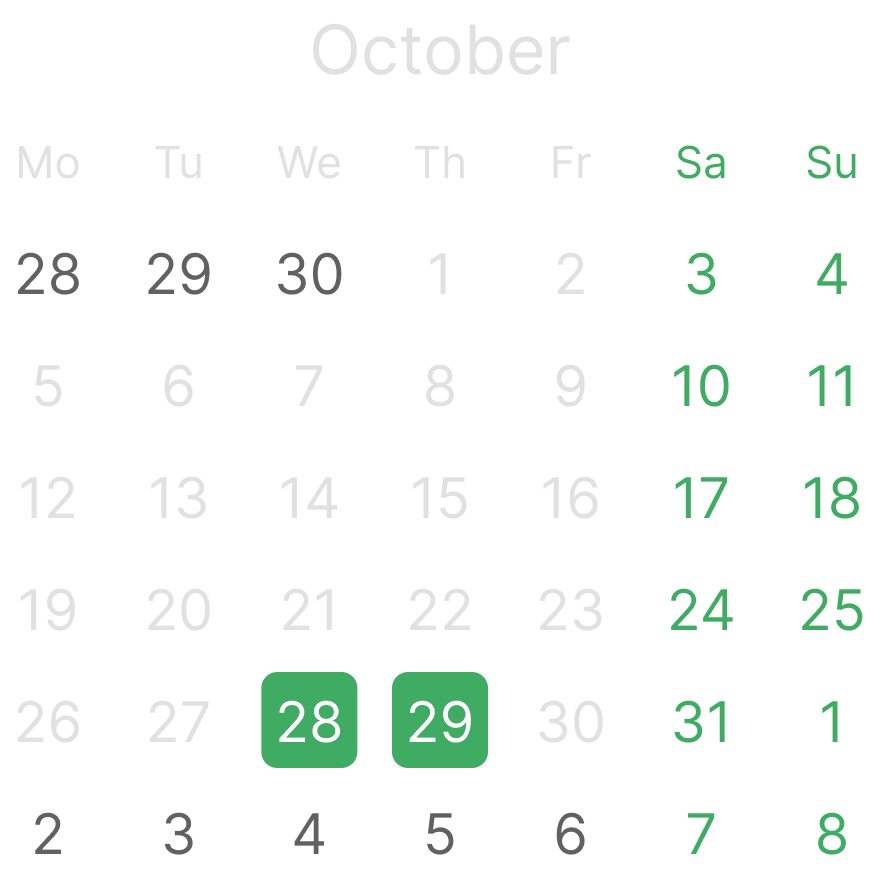
Save this date in your calendar
Don’t forget to save this date in your calendar and make sure you don’t miss out on this event.

28/10/2025
Energy-intensive industry needs domestic energy, the EU solves this through direct agreements
The largest energy fair in the region has so far been visited by more than a hundred exhibitors from 20 countries.

29/10/2025
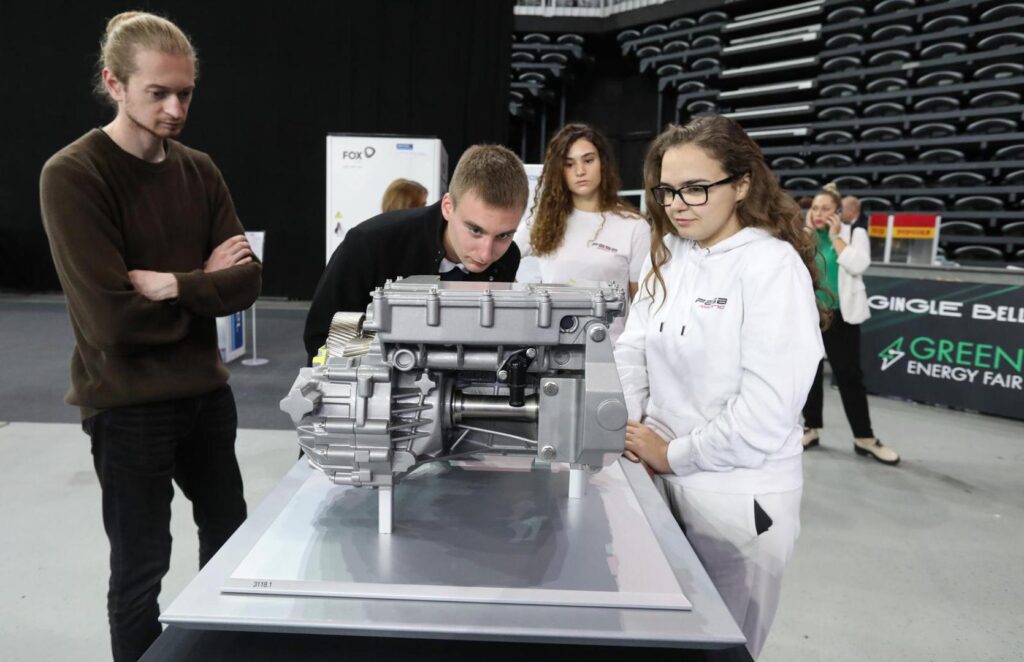
The largest energy fair in the region has opened: The idea is to show that Croatian companies can compete
The ZG Green Energy Fair will be held tomorrow, it is free for citizens, and they can learn about what numerous companies such as Tesla, Sungrow, Huawei, BYD, Solax, SolarEdge, Fronius, Schneider, Trina Solar, Longi Solara… have to offer in the Arena.

29/10/2025
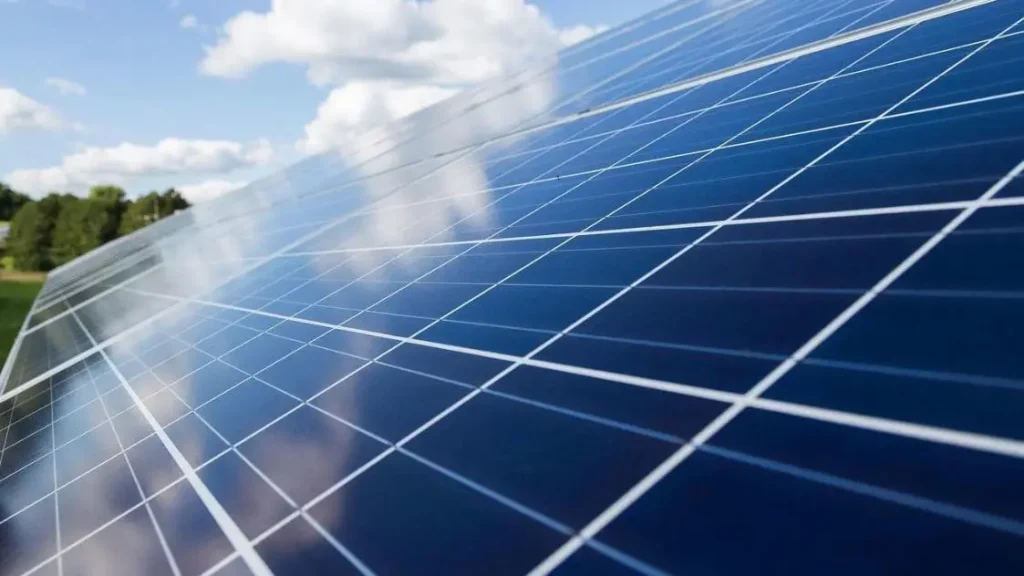
Zagreb becomes the center of a green future: GEF 2025 at Arena Zagreb
Solar energy and battery storage, charging stations for electric vehicles and smart grids are the focus of the first Croatian fair dedicated to renewable energy sources.

28/10/2025
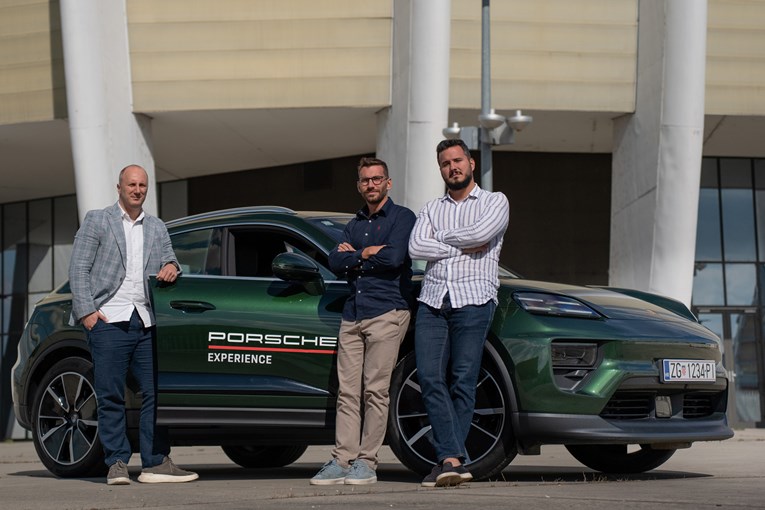
Who is behind the biggest technology spectacle at the Zagreb Arena?
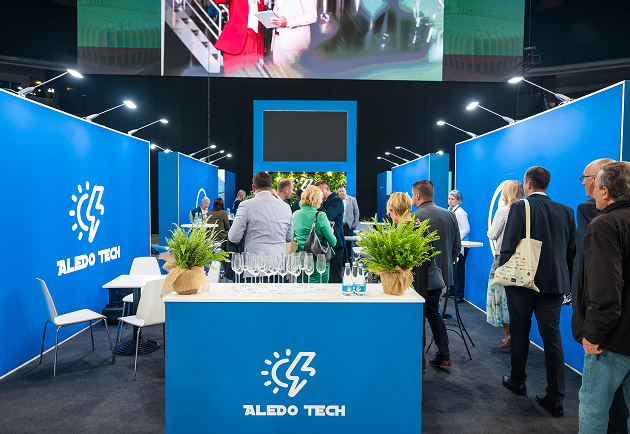
IN THE CENTER of the gathering of leaders of the green future at the ZG Green Energy Fair stands the Croatian technology company AleDo TECH

01/10/2025
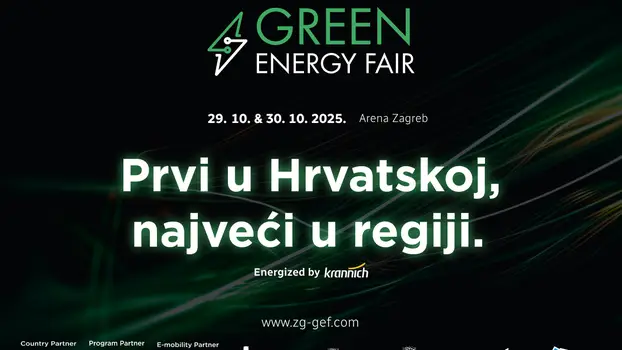
Green Energy Fair at the end of October in Zagreb: What visitors can expect
The Green Energy Fair arrives in Zagreb at the end of October and gathers renewable sources, energy storage, e-mobility and smart solutions for homes and businesses in one place.

03/09/2025
Do solar power plants and e-cars make sense or are they all expensive and unreliable? Find out the answers at Arena Zagreb!
Over two days, on October 29th and 30th of this year, Arena Zagreb will host all key stakeholders in the energy sector.
Conference program
TBA
Moderator: Maja Kolak (HRT)
TBA
Moderator: Maja Kolak (HRT)
An introductory presentation on the current state and future prospects of the German solar energy and battery energy storage markets, with a particular focus on opportunities to strengthen cooperation between Germany and Croatia in the renewable energy sector.
Jörg Ebel, President, German Solar Association (BSW-Solar)
Moderator: Maja Kolak (HRT)
Six countries. Different paths. A shared energy future.
Bringing together ambassadors from six countries, from European Union member states to China, this panel offers different national perspectives on the current state and future of energy.
Although these countries share a common ambition to build sustainable, secure and reliable energy systems, their approaches, priorities and energy mixes often differ significantly. Through open dialogue, the ambassadors will present their countries’ energy strategies, current challenges and future plans, highlighting similarities and differences in their approaches to the energy transition.
Different paths, shared challenges and a common vision of a sustainable energy future.
H.E. Anne Toft Sørensen, Ambassador of Denmark to Croatia | H.E. Wendy Dorman-Smith, Ambassador of Ireland to Croatia | H.E. Javed Patel, British Ambassador to Croatia | H.E. William De Baets, Ambassador of Belgium to Croatia | H.E. Anna Boda, Ambassador of the Kingdom of Sweden to the Croatia | H.E. Qi Qianjin, Ambassador of the People's Republic of China to the Republic of Croatia
Moderator: TBA
A secure energy supply and competitive energy prices are now just as important to industrial competitiveness as knowledge, technology and access to markets. The panel brings together four different perspectives: an exporter achieving record growth thanks to global demand for electrical power equipment, an energy company investing in domestic gas production and renewable energy, the cement industry, facing major decarbonisation challenges, and a chamber of commerce representing companies for which energy prices have become a key business risk. The discussion will explore how to turn the energy transition into a business opportunity rather than an additional cost, whether Croatian industry can reduce emissions while remaining competitive in the global market, and what companies and the government each need to do.
Gordan Kolak (President of the Management Board, KONČAR) · Zsuzsanna Ortutay (President of the Management Board, INA) · Marijan Vuko (CEMEX Member of the Management Board) · Marija Šćulac (Director of the Sector for Industry and Sustainable Development, HGK)
Moderator: Prof. Nela Vlahinić, PhD (President and Founder of XEnergy, Full Professor of Energy Economics at the Faculty of Economics, University of Rijeka (EFRI))
TBA
Moderator: TBA
TBA
Moderator: TBA
The Promina Solar Power Plant marks a milestone in the development of Croatia’s energy sector. With a planned grid connection capacity of 150 MW and annual generation of approximately 274 GWh, it is Croatia’s largest solar power plant project, with output that could meet the annual electricity needs of around 69,000 households.
A particularly significant part of the project is the construction of a new 400 kV substation - the first of its kind in Croatia since 2004 and the first in Dalmatia in more than 45 years. The €15.3 million investment will connect the plant to Croatia’s transmission grid via 400 kV transmission lines leading to the Konjsko and Velebit substations.
Through this case study, the panel will examine the technical, investment and regulatory challenges involved in delivering one of Croatia’s largest energy projects, with a particular focus on transmission infrastructure development, the grid connection of large-scale renewable energy sources and the strategic importance of the 400 kV grid to the future of Croatia’s power system.
Tomislav Ivančić (project manager, ACCIONA) | Željko Bago (Executive Director, Transmission & Distribution Division, KONČAR) | Igor Šumonja (direktor priključenja, HOPS-a)
Moderator: TBA
For years, battery energy storage systems were considered the missing link. As their numbers in the power system grow, they are seen as a supporting tool that can help integrate renewable energy sources, reduce grid congestion and enable more efficient and cost-effective development of the power system.
However, strong interest in connecting renewable energy sources to the grid, the electrification of energy consumption and the rapid increase in data centres’ electricity demand are leading us to view battery storage as critical, strategic infrastructure for the energy transition.
Whether battery energy storage systems can provide all the flexibility the power system expects of them will depend on the decisions we make today. Policymakers, regulators and market participants will play a crucial role in creating the conditions for their continued development.
Zlatko Zmijarević (Deputy Chairman of the Governing Council, HERA) | Anton Marušić (Chairman of the Management Board, HEP ODS) | Dr. Renata Rubeša (Member of the Management Board, HOPS) | Antonela Vidović Zubak (Head of the Contracting Department at KOER d.o.o.)
Moderator: TBA
Battery energy storage systems (BESS) are becoming a key element of the energy transition, enabling greater power system flexibility, the integration of renewable energy sources and the development of new business models in the electricity market.
Drawing on real projects and practical experience, the panel will present the BESS project development process - from the initial concept and feasibility analysis through design and financing to construction, grid connection and commercial operation.
Particular emphasis will be placed on comparing the Croatian market with neighbouring countries and more developed international markets, with experts sharing their experience in project development, engineering, technological solutions and international business.
Marko Kičin (Head of Energy Storage Solutions, AleDo TECH) | Zdeslav Matić (Factory development director, Storion) | Max Alway-Townsend (co- · funder, Neutron, New York) | Patrik Danz (CSO at IBC SOLAR)
Moderator: TBA
The rapid development of the solar industry, battery systems and electromobility is bringing new challenges in the procurement, distribution and availability of energy equipment. In an increasingly competitive market, choosing suppliers and the optimal procurement model is becoming an important factor in the success of every project.
The panel will bring together representatives of leading international and regional energy equipment distributors to discuss their role in today’s supply chain and the added value they provide to manufacturers, installers, contractors and investors.
Particular emphasis will be placed on direct procurement from manufacturers versus working with distributors, the advantages and limitations of each model, and the circumstances in which each makes the most business sense. Drawing on participants’ experience, the discussion will also explore the broader value of distribution - from availability and reliable delivery to technical support, financial flexibility and long-term partnerships.
The panel will address a key question: as global manufacturers and direct procurement channels become increasingly accessible, what is the true value of distributors, and how will their role evolve in the future?
TBA
Moderator: TBA
The energy transition is not just about technology, investment and infrastructure, but also about the people who will shape the future of the energy sector. A new generation of professionals, entrepreneurs and innovators is bringing fresh perspectives, new ideas and different approaches to the challenges of today’s energy industry.
The panel will bring together young leaders who are already actively contributing to the development of the energy sector, from renewable energy sources and new technologies to innovation, entrepreneurship and strategic business development.
Through participants’ personal experiences and professional journeys, the discussion will explore the opportunities and challenges facing the new generation of energy professionals, their role in transforming the industry, and the importance of connecting the experience of established leaders with the ambitions and ideas of young people.
The panel will offer a view of the future of energy from the perspective of a generation that will not simply inherit the energy transition, but will actively help shape it.
TBA
Moderator: TBA
TBA
Moderator: TBA
A practical focus on steel and aluminium in the solar industry: the impact of CBAM on importers, embedded emissions data, verification, supplier selection and the cost of future energy projects.
Karlo Novosel (Customs Administration, Head of Department), Marko Groš (Senior Auditor TUV Nord Adriatic), Ana Jurjević (CEO, Kariqa Solutions)
Moderator: TBA
TBA
Moderator: TBA
The energy transition is bringing wider use of power electronics, BESS, EV charging stations and renewable energy sources, while also creating new challenges for power quality and reliable equipment operation. Bringing together academic and industry perspectives, the panel will discuss the most common disturbances in these networks, their consequences, and the role of measurement, continuous monitoring and active power quality management. The aim is to open a practical discussion on how to ensure stable and reliable operation of electrical systems in an increasingly complex environment.
Milan Stanić (Director, Automatika i procesi (AiP)), Assoc. Prof. Martina Kutija, PhD (Professor at FER), Robert Štedul (Director, Agenor automatika), Luka Pravica (Assistant Professor at FER)
Moderator: Prof. Igor Erceg, PhD (FER)
Artificial intelligence is driving a new global technological revolution, but its development requires enormous amounts of electricity. Data centres are becoming strategic infrastructure for the modern economy, bringing multimillion investments, technological progress and new economic opportunities. Yet what represents an opportunity for the economy can become a serious challenge for the power system.
Can the existing grid handle a sharp rise in consumption? Will the development of data centres affect electricity prices for households and businesses? Who will provide the required energy and finance infrastructure development?
Through the Pantheon AI case study, the panel will bring together the perspectives of investors, the technology industry and transmission system operators, opening a discussion on the economic potential and energy challenges of data centre development in Croatia and the region.
In the global race to develop artificial intelligence, a key question emerges: will access to electricity determine where the economy of the future takes shape?
Mario Gudelj (Project Manager, Pantheon AI), Mislav Crnogorac (Technical Advisor, Pantheon AI), Luka Majić (Product Manager, Vertiv), Igor Šumonja (Member of the Management Board, HOPS)
Moderator: Marko Perožić (Deputy Editor-in-Chief, Bloomberg Adria)
The electricity market in Croatia and the region is undergoing significant change. New legislative and regulatory frameworks, a growing share of renewable energy sources and the development of new market mechanisms are changing the established rules of the game and creating new opportunities for generators, suppliers, investors and other market participants.
Changes to the balancing system and the development of HOPS platforms for trading ancillary services mark a particular turning point, opening new opportunities for battery systems, aggregators and other market participants. At the same time, differences in regulatory frameworks, market maturity and the pace of reforms across the region create different challenges and business opportunities.
The panel will bring together representatives of key market institutions and energy companies to explore the development of the electricity market in Croatia and the region through a discussion of the latest legislative changes, the balancing market and new trading models.
In a time of rapid change, a key question arises: are market rules ready to keep pace with the energy transition, or will they determine the speed of its progress?
TBA
Moderator: Marko Perožić (Deputy Editor-in-Chief, Bloomberg Adria)
TBA
Moderator: TBA
In a world of increasingly complex energy systems, energy management is becoming just as important as generation and storage. But what do we actually mean by an Energy Management System (EMS) today? In the industry, the same term covers different technological solutions, from simple battery system control to advanced platforms coordinating electricity generation, consumption, storage and trading.
Is the primary task of an EMS to ensure optimal battery system operation, manage an entire energy facility or maximise its economic viability? Where does technical optimisation end and market strategy begin? And can one solution truly bring all these functions together?
The panel will bring together experts who develop, implement and use EMS solutions every day to discuss the real capabilities, limitations and future of intelligent energy management through different perspectives and practical experience.
At a time when almost every energy solution is becoming “smart”, a key question arises: what distinguishes a true EMS from a system that merely carries the name?
Denis Grahovac (Toming Director of Software Engineering & Energy Markets), Tin Bobetko (Managing Director atUprise), Ivan Grakalić (Business development manager at 2BBES)
Moderator: Hrvoje Pandžić (Deputy Head of the Department, FER & DC Tech)
TBA
Moderator: TBA
Electrifying public transport is not simply a matter of replacing diesel buses with electric ones. It requires an entirely new approach to fleet planning, charging infrastructure, the power grid and energy management.
How competitive are electric buses today, both technologically and economically? What are the real challenges of integrating them into everyday service? Can smart charging management reduce infrastructure costs, and how sustainable is electrification without grants?
Bringing together the perspectives of vehicle manufacturers, the technology sector and public transport operators from Zagreb and Osijek, the panel will share practical experiences, challenges and answers to the question: what does it take to ensure that an electric bus is not just successfully purchased, but also a cost-effective and reliable part of public transport in the long term?
Zvonko Gabud (Sales Manager at MAN Importer Hrvatska), Ivan Kos (Sales Engineer at Schneider Electric), Ivan Tranić (Mechanical Engineer at ZET), Nebojša Dmitrović (GPP d.o.o. Osijek)
Moderator: Assoc. Prof. Vedran Kirinčić, PhD (Faculty of Engineering, Rijeka)
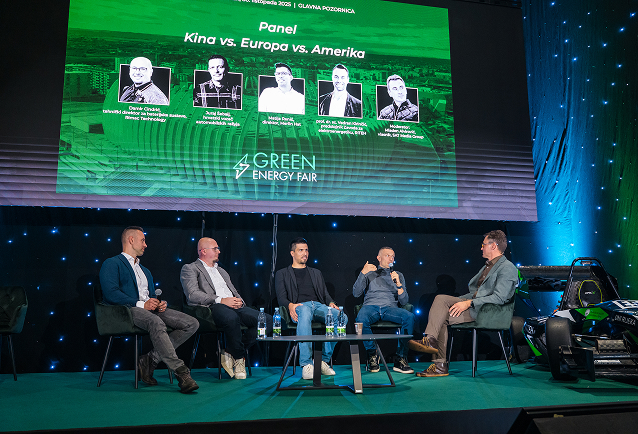
The European automotive industry, for decades a symbol of technological excellence, innovation and economic strength, is facing one of the greatest challenges in its history. As Chinese manufacturers rapidly capture global markets, electrification changes the rules of the game and traditional automotive giants struggle to keep up, a question arises: is Europe losing its leading position in the industry it shaped for decades?
Is the future of the car electric, or do internal combustion engines still have something to offer? Can European manufacturers compete with Chinese prices, development speed and technological innovation? Will the future of the automotive industry be determined by tradition and engineering excellence, or by batteries, software and new business models?
The panel will bring together automotive industry representatives, mobility experts and automotive market specialists to discuss the global shift in power, the future of European manufacturers and the challenges of a new era of mobility from different perspectives.
As technologies, markets and customer expectations change, one question remains: will Europe take the wheel again, or watch the future of the global automotive industry in its rear-view mirror?
Marko Brkljačić (COO, Bugatti Rimac), Juraj Šebalj (Journalist)
Moderator: TBA
Not sure where to stay?
Check out the accommodation info and use the Hotel’s code to get a discount.



Register for the hackathon today!
Sign up for one of the biggest hackathons in the field of energy and take advantage of the opportunity that Green Energy Fair 2026 brings!